
英語圏文学を研究対象にしている柳沢ゼミでは、COIL(Collaborative Online International Learning)を導入し、アメリカのバレンシア大学の学生と文学作品について共修を実施しています。
昨年に引き続き、「2026 Japan-US COIL Hemingway Discussion」と題して、ヘミングウェイの有名な短編を精読した上で作品の疑問点や解釈などをグループで話し合い、グループで作成したプレゼン動画をバレンシア大生と交換しました。
(The Yanagisawa Seminar, which focuses on literature of the English-speaking world, has adopted COIL (Collaborative Online International Learning) to engage in collaborative learning on literary works with students from Valencia College in the United States. Continuing from last year, under the title "2026 Japan-US COIL Hemingway Discussion," students closely read a famous short story by Ernest Hemingway, discussed their questions and interpretations in groups, and exchanged group-created presentation videos with the Valencia College students.)
まずは、動画で自己紹介! (Self-introduction via video!)
柳沢ゼミ3年生13人は、まず、A~Dの4グループに分かれ英語での自己紹介動画を作成し、そのリンクを Google Classroom ににアップしました。同じく、バレンシア大の学生にも自己紹介動画をアップしていただき、動画交換による自己紹介をおこないました。
The 12 third-year students in Yanagisawa’s seminar were first divided into four groups, labeled A through D, and created self-introduction videos in English. They uploaded the links to these videos on Google Classroom. Similarly, 6 students from Valencia College also uploaded their self-introduction videos, allowing for introductions to be exchanged through video.)
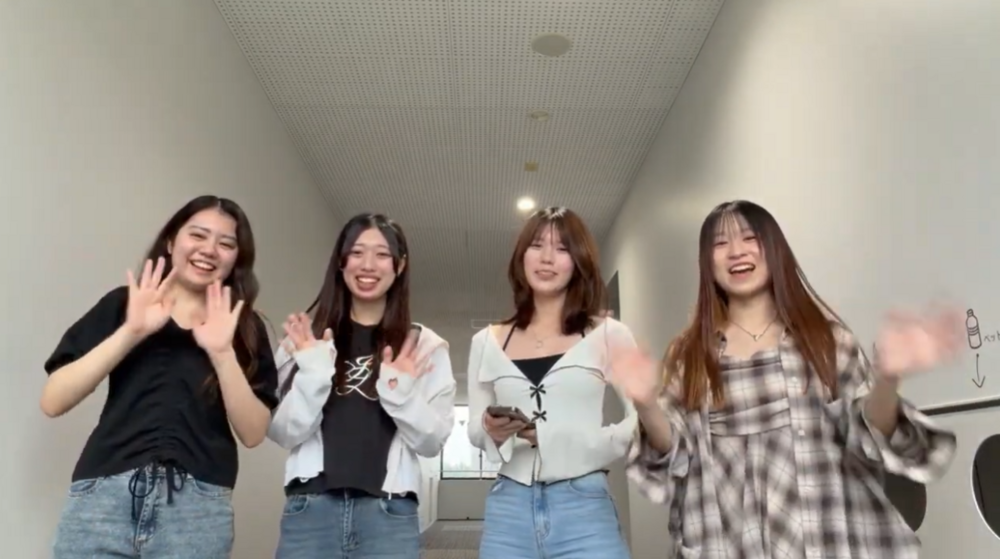 Group A
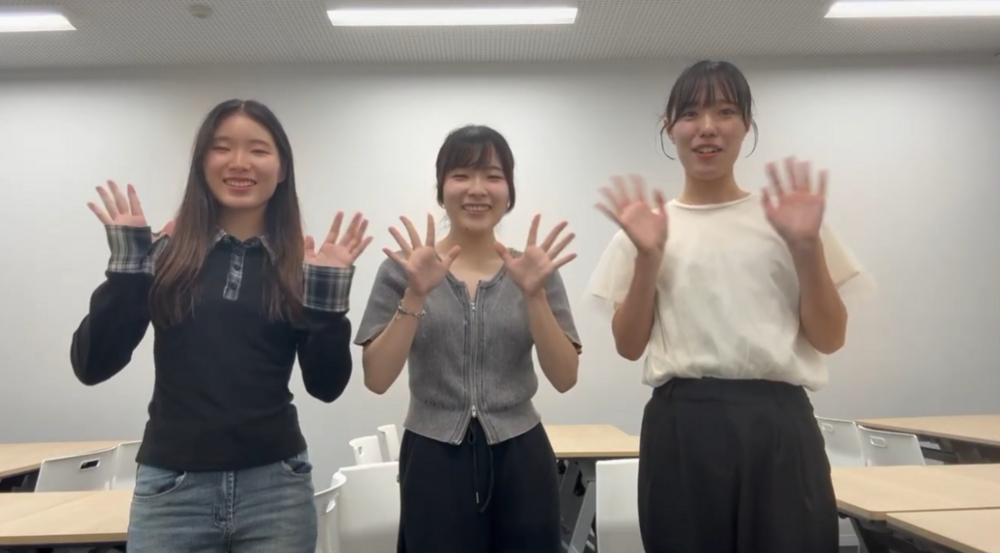 Group C
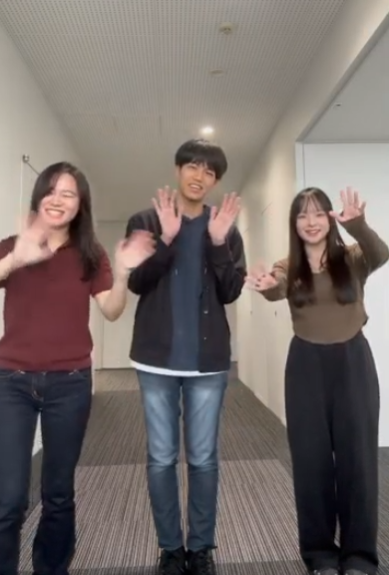 Group B
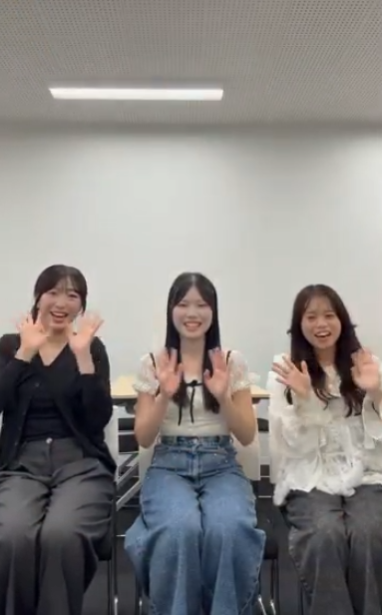 Group D
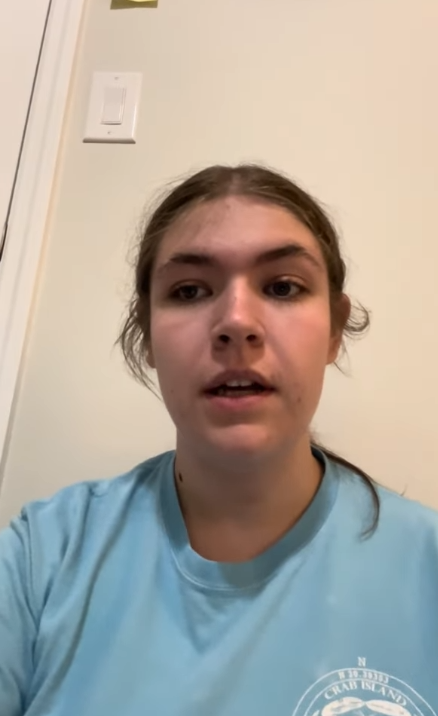
 バレンシア大生の自己紹介動画
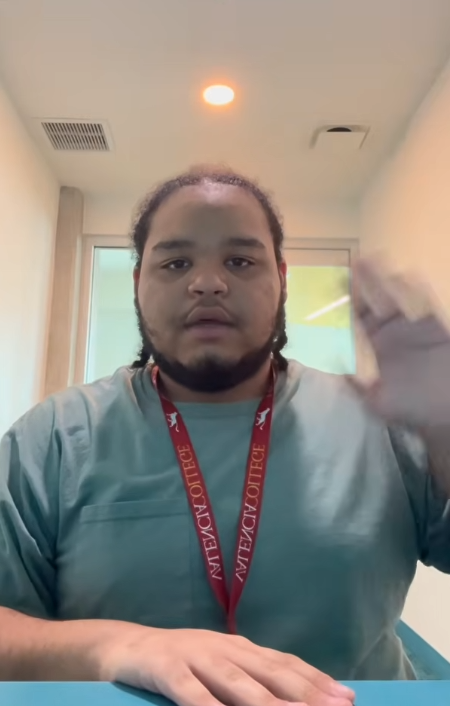 バレンシア大生の自己紹介動画

ヘミングウェイの短編小説を読んで、スライド発表!
今回はヘミングウェイの短編小説からの4作品、「上陸前夜」("Night Before Landing")、「身を横たえて」("Now I Lay Me")、「異国にて」("In Another Country") 、「白い像のような山並み」("Hills Like White Elephants") を精読しました。その後、4グループでこの4作品を分担し、ディスカッションを重ねながら、バレンシア大生に送るプレゼン動画を作成しました。
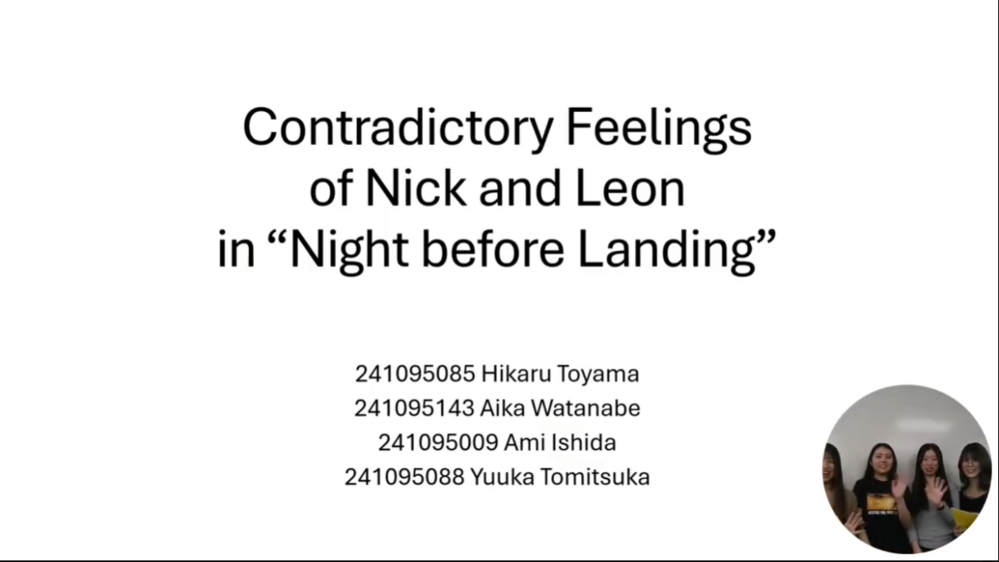 プレゼン動画
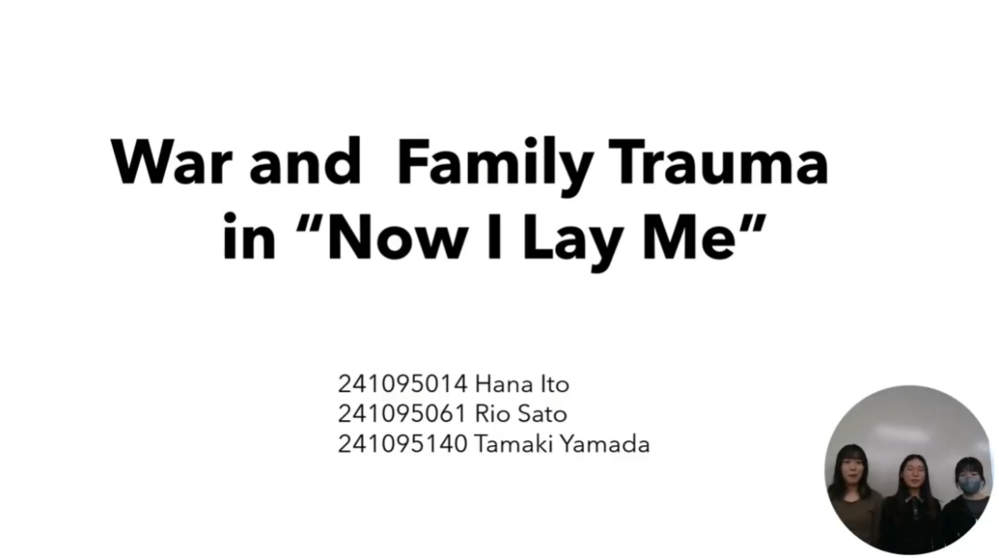 プレゼン動画
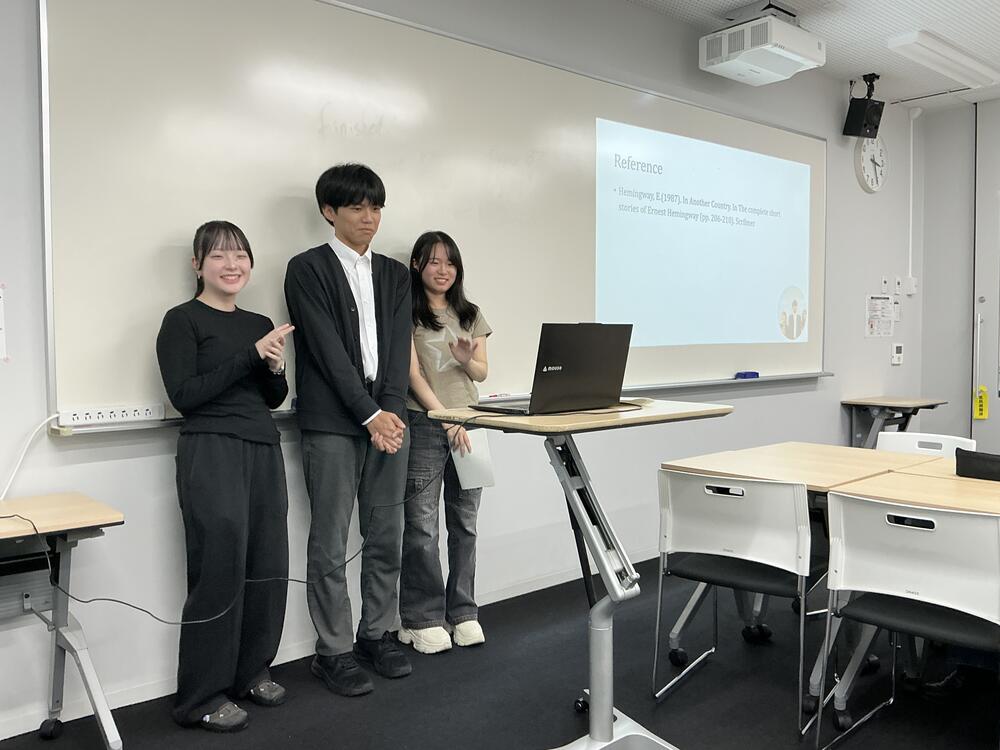 プレゼン動画録画の様子
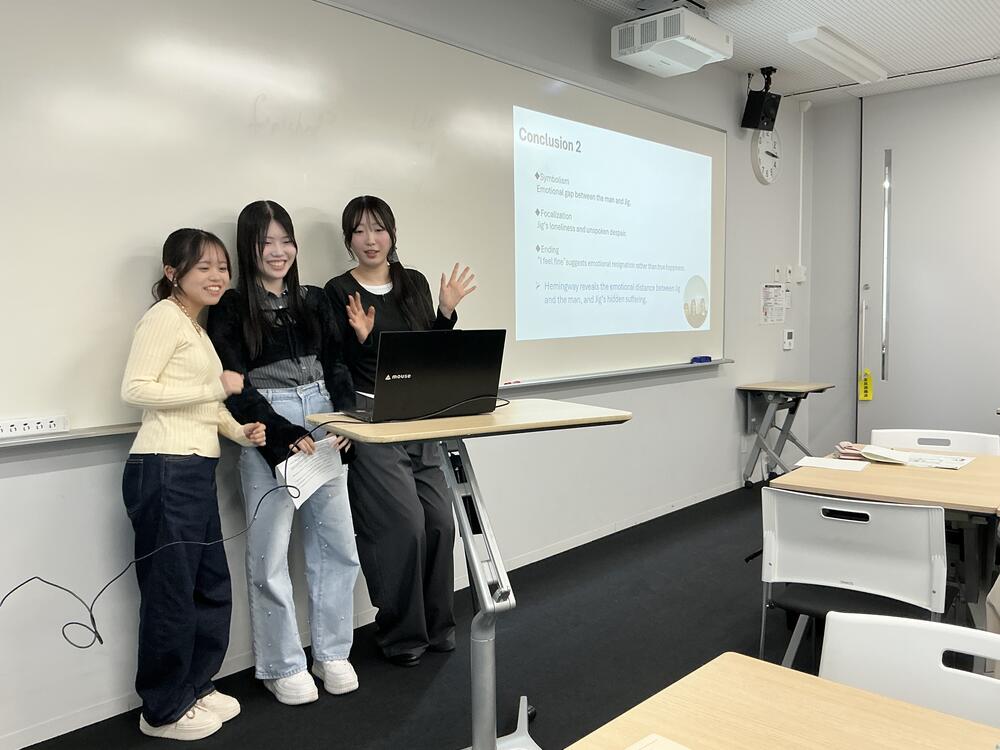 プレゼン動画録画の様子
バレンシア大生の解説・プレゼン動画 (Explanation Presentations by Valencia College Students)
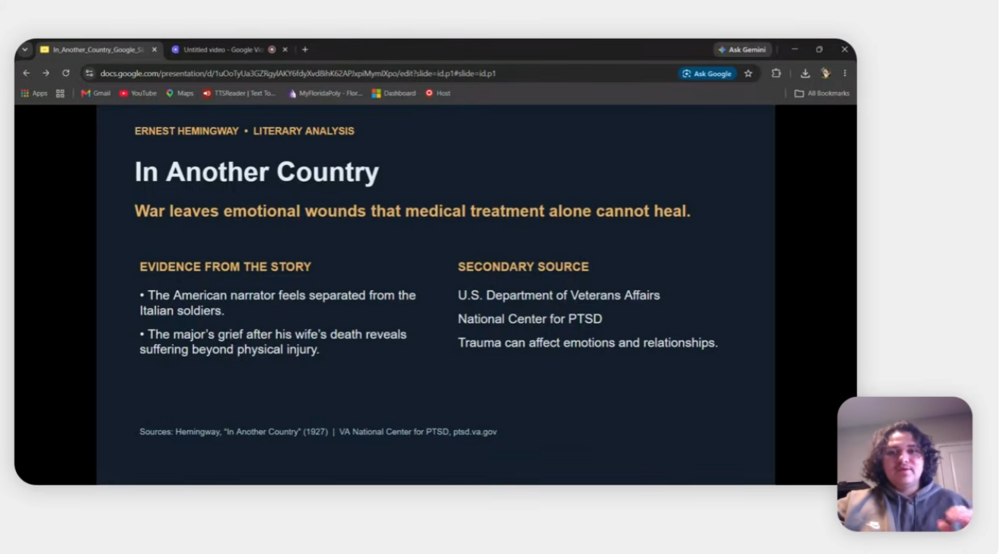

バレンシア大生のプレゼンを読み込み、理解し、その指摘を紹介する!
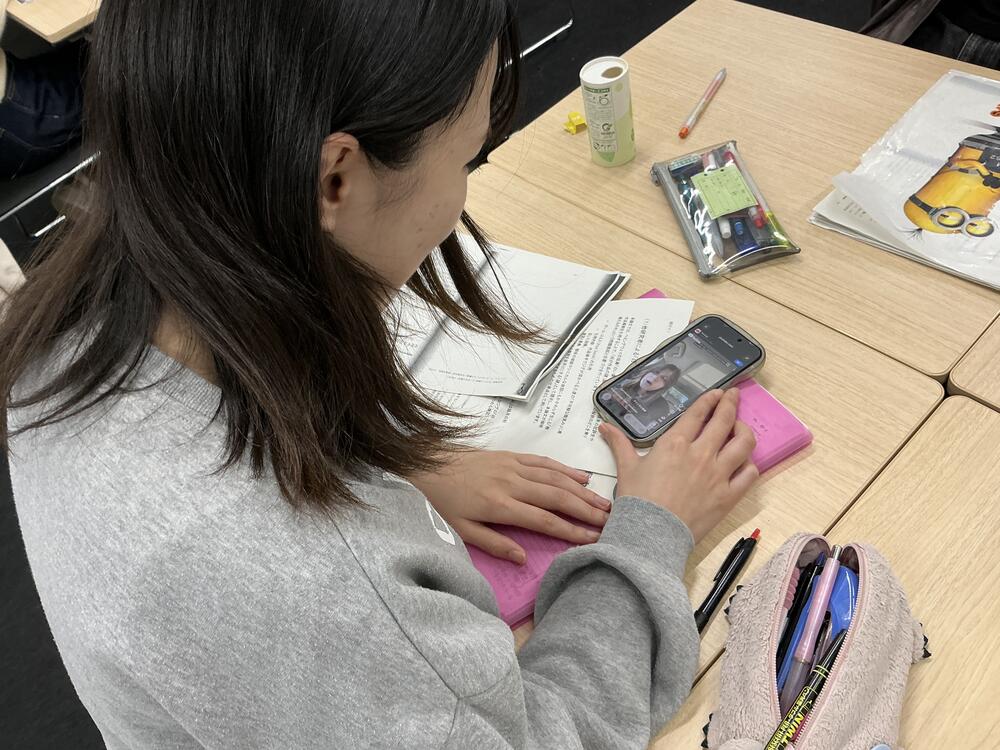
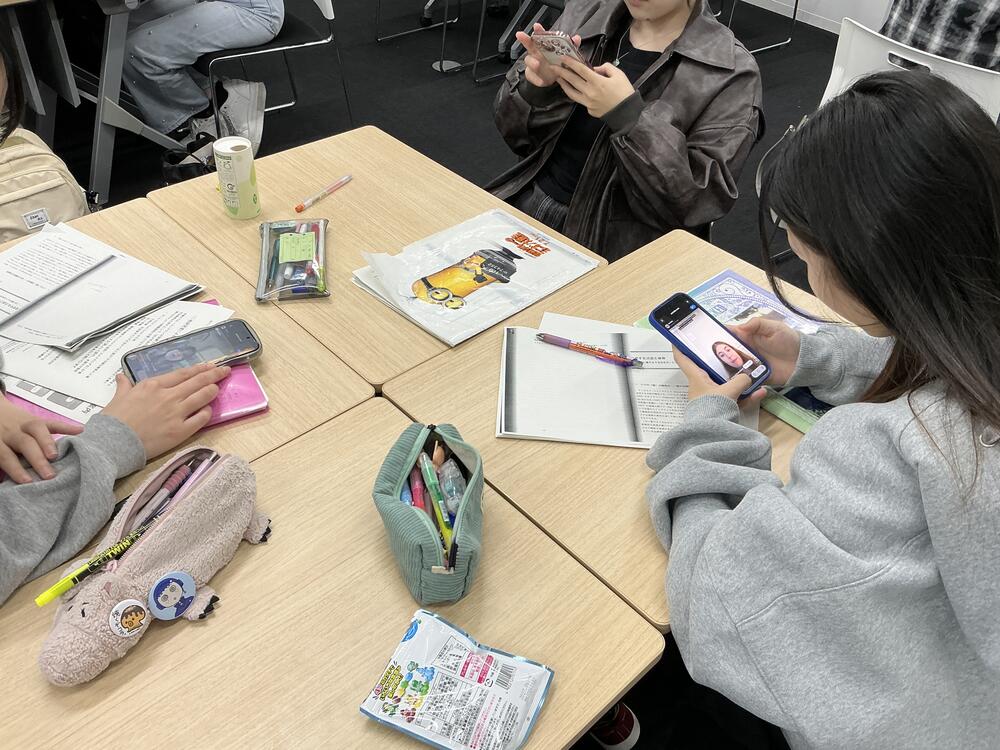
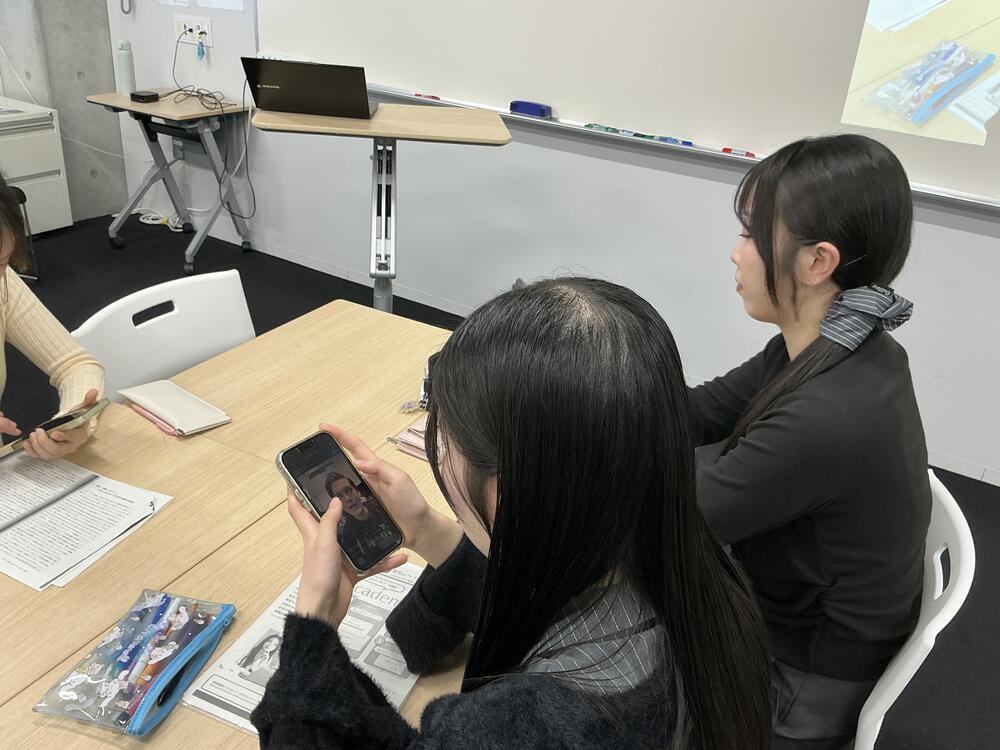
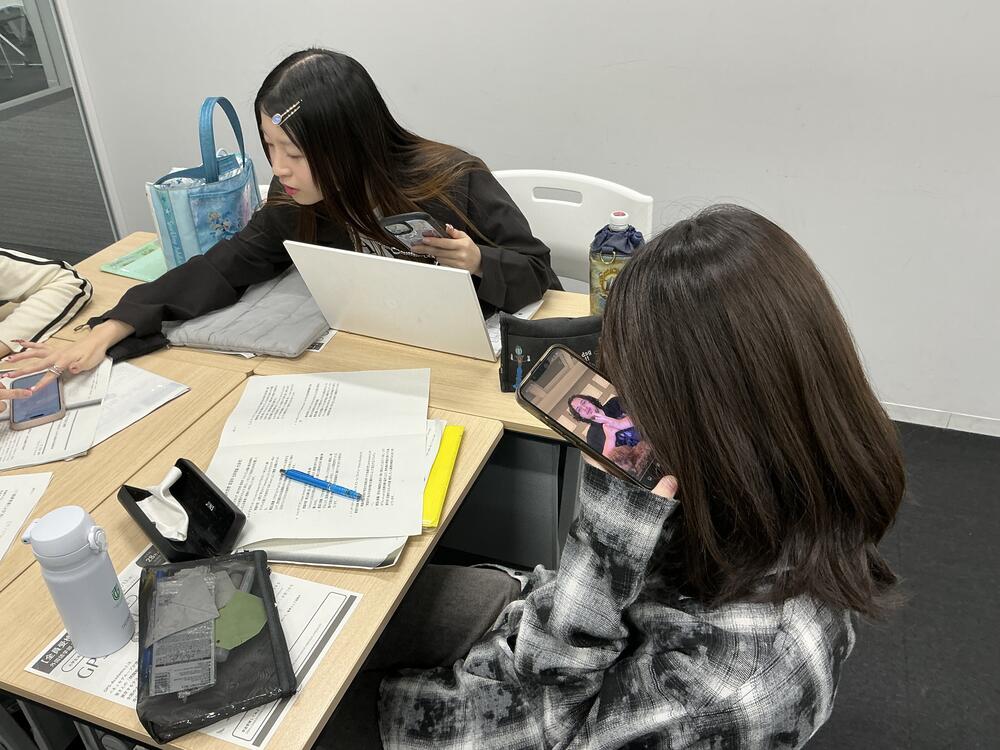
学生たちの学びの声
➀ 交流を通して、自分たちの考え方と違う部分があって新たな発見ができたと感じた。また、違う部分ももちろんあったけれど、似た考え方をしている部分もあって面白いなと感じた。発表内容にとても理解できたし、そんな観点から見てるのかと考えさせられたこともあり、いい学びになったと思う。感情に関わる分析は、私たちの考え方と似ている部分が多く、国籍は違くても感情が関わると人はみんな同じ考え方をするのだなと気づける機会になった。
Through this exchange, I felt that I was able to make new discoveries by seeing how their ways of thinking differed from ours. At the same time, while there were certainly differences, I also found it interesting that we shared some similar perspectives. I was able to understand their presentation very well, and it gave me a lot to think about—seeing things from angles I hadn't considered before—so I think it was a great learning experience. In particular, their analysis regarding emotions had many similarities to our own way of thinking, which made me realize that regardless of nationality, people tend to think the same way when emotions are involved. (3rd year, A.I.)
➁ 今回の交流プログラムを通して、同じ文学作品でも国や文化によって着眼点や解釈が異なることを学びました。ヘミングウェイの作品には、社会問題や人間関係など、さまざまなテーマや考察できる視点があり、その中から何に焦点を当てて作品を読み解くのかを考えることが難しかったです。特に、日本側のプレゼンでは登場人物のセリフから心情や作品のテーマを読み取ることが多かった一方、アメリカ側のプレゼンでは異なる視点から分析しており、新しい発見がありました。同じ作品でも人によって解釈が変わることを実感し、自分とは異なる考え方に触れることで、作品をより多角的に捉えることの大切さを学びました。また、英語で意見を伝え合う貴重な経験にもなりました。
Through this exchange program, I learned that people from different countries and cultures can have different perspectives and interpretations of the same literary work. Hemingway’s stories include various themes and issues, such as social problems and human relationships. I found it challenging to decide which aspects to focus on when analyzing the stories. In particular, our Japanese presentations often focused on understanding the characters’ feelings and the themes through their dialogue, while the American students analyzed the stories from different perspectives, which gave me new insights. I realized that the same story can be interpreted differently by different people. By listening to different opinions, I learned the importance of looking at literary works from multiple perspectives. It was also a valuable opportunity to exchange ideas in English. (3rd year, H.I.)
➂ 今回の交流プログラムを通して学んだのは、同じ文学作品を読んでも、人によって着目するポイントや解釈へのアプローチが異なるということです。例えば、同じ場所で写真を撮っても、人によって目に留まるものや切り取りたい景色が違うように、今回のディスカッションでも、それぞれが気になった場面や掘り下げたいテーマが異なっていたことが興味深かったです。自分では思いつかなかった視点に触れることで、作品の捉え方が広がる面白さを感じました。一方で、登場人物の心境の変化に注目していた点は共通しており、国や考え方が異なっても、同じ部分に共感できることもあるのだと気付きました。異なる視点と共通点の両方を発見できる貴重な機会だったので、またこのような交流に参加してみたいです。
Through this exchange program, I learned that even when people read the same literary work, they may focus on different aspects and approach its interpretation in different ways. For example, just as people notice different things and choose different scenes to capture when taking pictures in the same place, each participant in our discussion was interested in different scenes and themes. I found this difference very interesting. Listening to perspectives that I had not thought of myself helped me see the literary work in new ways. On the other hand, I noticed that we shared an interest in the changes in the characters’ feelings and emotions. This made me realize that even when people come from different countries and have different ways of thinking, they can still relate to the same aspects of a story. It was a valuable opportunity to discover both different perspectives and common ground, and I would like to participate in a similar exchange program again. (3rd year, K.O.)
④ 第一次世界大戦が主なテーマとなっていた4作品の分析を通して、時代背景や男女の関係性など、当時の文化や歴史、習慣などについて知ることが出来ました。また、今の日本を生きる私たちとは時代も国も異なる世界観が、私にとってはとても新鮮で多くの学びがありました。当時の兵士たちの戦争に対する価値観や家族を失う辛さ、複雑な男女関係など色々な発見がありました。自分で読み進めている時は、作者の伝えたい意図を汲み取ることが難しかったですが、グループ活動や先生の解説、バレンシアカレッジの生徒との交流を通して、作者の表現技法の工夫にも気づくことができました。今回のプログラムで、自分では気づかなかった新たな視点を得ることができ、同じ作品でも読み手の数だけ解釈の仕方があることを改めて実感しました。 (3rd year, R.S.)
➄ 私はこの交流プログラムから、物語における解釈の仕方の違いや共通点を学ぶことができました。戦争の物語では、身体的な傷が治ったとしても精神的な傷は治ることはないと解釈した点が共通していたり、逆に、男女の関係性の物語では女性視点で見るか、男性視点で見るか異なっており、物語における解釈の仕方は共通している点もあれば、人によって異なる点もあると改めて学ぶことができました。また、物語の解釈の仕方には正解がないため、自分以外の人の考察を知ることによって、新たな気づきがあったり、これまで見ることができなかった新しい視点で物語を見ることができるようになりました。今回得ることができた学びを、これから物語を読んでいく際に役立てていきたいと思いました。
Through this exchange program, I was able to learn about the differences and similarities in how people interpret stories. In stories about war, we shared the understanding that even if physical wounds heal, emotional wounds do not. On the other hand, in stories about relationships between men and women, some people interpreted the story from a female perspective, while others viewed it from a male perspective. This helped me realize once again that there are both similarities and differences in the way people interpret stories. Also, since there is no single correct interpretation of a story, learning about other people’s opinions gave me new insights and allowed me to see stories from perspectives that I had never considered before. I would like to use what I learned from this program when reading stories in the future.(3rd year, M.S.)
⑥ ヘミングウェイの作品は時代背景を分析しながら読んでいくことで理解が深まった。直接的に書かないことで読者の想像力を膨らませるとても勉強になる作品だった。例えばFrench line, gun platform, zigzagging というワードから船に乗っていて魚雷をかわしながら進んでいるんだなと、間接的に読み取れることが印象的で難しい。アメリカ側の投稿がそもそも少ないことと、戦争は心も体も傷つけることはわかるので分析が薄っぺらいことから彼から学んだことはあまりなかった。真剣に課題に取り組んだから残念。戦争に関わってる国として他に思うことはなかったのだろうか。
I gained a deeper understanding of Hemingway’s work by reading it while considering its historical background. I found it very educational how he expands the reader’s imagination by not explaining everything directly. For example, it was interesting but challenging to infer from words such as “French line,” “gun platform,” and “zigzagging” that the characters were on a ship trying to avoid torpedoes. However, I felt that I did not learn much from his presentation because there was little analysis from the American perspective, and the analysis itself was rather superficial. I already understood that war causes both physical and emotional suffering, so I was disappointed that the presentation did not explore the topic more deeply. We had put a lot of effort into this assignment, so I was disappointed with the lack of deeper analysis. Considering that the United States was also involved in the war, I wondered if there were other perspectives or issues he could have discussed.(3rd year, H.T.)
⑦ 今回のプログラムを通して、同じ文学作品でも、人によって注目する部分や考え方が異なることを学ぶことができました。担当したヘミングウェイの『In Another Country』についての発表では、戦争は身体的な傷だけでなく、精神的な苦しみも引き起こすという考え方に気づき、興味を持ちました。また、他の人の発表を聞くことで、自分では気づかなかった登場人物の感情や作者の表現方法についても深く考えることができました。さらに、英語で自分の意見を伝えることの難しさを実感しました。発表の時には相手に伝わりやすい言葉を選び、わかりやすく説明することが大切だと感じました。今後もさまざまな視点から文学作品を考え、英語で積極的に意見を伝えられるようになりたいです。(3rd year, M.T.)
⑧ 私は今回の交流プログラムから、それぞれの分析や物語を読んで感じたことを共有しあうことに重視しました。普段はなかなかこのような機会はなく、個人的にはすごく新鮮だなと感じました。それぞれの物語によって、感じることや分析はもちろん変わりますが、それだけではなくそれぞれの物語でその人の気持ちや感じたことが変わっていくのか、ということを学ぶことができました。文章でそれらを見ることができた点が、私にはとても意味のあるプログラムだなと思いました。このようなことができるのは、このゼミだからではないかと思います。そして物語を読む上での自分の視野の広がりに繋げられる、とても貴重な交流でした。
From this exchange program, I focused on sharing what I felt after reading each analysis and story. I don't usually have this kind of opportunity, and I personally felt that it was very refreshing. Of course, the feelings and analysis of each story will change, but not only that, but I was able to learn whether the feelings and feelings of the person will change in each story. I thought it was a very meaningful program for me that I could see them in the text. I think it's because of this seminar that I can do this. And it was a very valuable exchange that could lead to the expansion of my horizons in reading stories. (3rd year, Y.T.)
⑨ 今回はCOILプロジェクトを行っていきましたが、文学を分析していくことの難しさを学べた、とても貴重な経験であったと思います。自分たちのチームが出していた分析とは異なる点に焦点を当てた分析が相手から提示されたことで、『このような見方/捉え方が出来るのか』ということに気づきました。仮に共通の物語を読んでいたとしても、人によって見え方が少しずつ異なっていくということを実感できました。また、別の視点を提示されることで自分たちの分析とどのように結びつけていくことができるか、なぜ分析にそのような差異が生まれているのかについても考えていくことがより良い分析を行っていく上での重要な点であると考えました。
Through this COIL project, I believe I had a very valuable experience that allowed me to learn about the challenges of analyzing literature. When the other team presented an analysis that focused on different aspects from those our team had examined, I realized that there were various ways of interpreting and understanding the same piece of literature. Even though we were reading the same story, I was able to recognize that each person perceives and interprets it slightly differently. Furthermore, I came to understand that considering how different perspectives can be connected to our own analysis, as well as exploring why such differences in interpretation arise, are important aspects of developing a deeper and more insightful analysis. (3rd year, F.M.)
⑩ 今回の交流プログラムを通して、同じ作品でも様々な捉え方があることがわかった。動画を見て感じたのは、作品の中で描かれている様々な登場人物、背景描写、社会情勢のどの部分に注目して分析するかが人によって異なっていて、新たな視点で学ぶことができた。また、登場人物の心情や状況を比較して、分析している点は共通点もあると感じた。特に、戦争が人にうえつけた精神的・身体的外傷についての分析では、そういった傷の治癒が1人では難しいことや、精神的外傷は簡単には治らず、深く残り続けるということを強調して説明されていて印象的だった。様々な分析を通して、自分では気づくことが出来ない視点を学ぶことができた。
Through this exchange program, I learned that the same work can be understood in many different ways. What I noticed from watching the videos was that people focused on different aspects of the work, such as the various characters, background descriptions, and social situations depicted in it. This allowed me to learn from new perspectives. I also found that there were some common points, especially in the way they compared and analyzed the characters’ feelings and situations. I was particularly impressed by the analysis of the psychological and physical trauma caused by war. He emphasized that it is difficult for people to heal from such wounds on their own, and that psychological trauma does not disappear easily but can remain deeply in a person’s mind. Through these various analyses, I was able to learn perspectives that I had not noticed by myself. (3rd year, T.Y.)
⑪ 今回のプロジェクトを通して、同じ作品を読んで分析しているのに私たちとバレンシア大学の生徒で各々着目して掘り下げているポイントが違ったり、逆に疑問を感じたポイントや作品の解釈が同じだった部分もあり、新しい視点の発見と共感がたくさんあった貴重で面白いじかんだった。ヘミングウェイの短編集という一つの作品を文化や育ちの違う人同士で分析して交流し合うことで、登場人物の気持ちや考えには同じ感覚や視点を持っていることが多く、物語の背景やその時代の事情などの解釈に関しては、それぞれの国の背景や立場が異なることから違う視点からの考えもあり、いつも自分が行う意見交換とはまた違った感覚で経験することができた。この経験を今後の卒業論文や交流活動に活かしていきたい。
Through this project, even though we were all reading and analyzing the same work, the points we focused on and explored differed between us and the students of the University of Valencia; conversely, there were also aspects where we had questions or shared the same interpretation of the work, making it a valuable and interesting time filled with the discovery of new perspectives and shared empathy. By analyzing and exchanging views on a single work—a short story collection by Hemingway—among people from different cultures and backgrounds, I often found that we shared similar feelings and perspectives on the characters' emotions and thoughts; however, because interpretations of the story's background and the circumstances of its era varied according to each country's context and standpoint, I was able to experience them from a different perspective than what I would normally engage in through my usual exchanges. I want to make use of this experience in my future graduation thesis and exchange activities. (3rd year, M.Y.)
⑫ 動画を見て、戦争の影響とそれが兵士や一般人にも影響を及ぼし、精神的にどのような影響を与えるかについてangeloさんの意見を知ることができました。私は、彼の感想で一番印象に残ったのは、「たとえ、肉体的な傷などの自然な傷が癒えたとしても、精神的な傷は多く残る」です。私もIn Another Countryを読んで、同じような感想を持ちました。物語の中で少佐が「男は結婚してはいけない。失うものを作ってはいけない」と激しく怒り出してしまうシーンがあります。ここでは、少佐の妻が亡くなってしまい苦しんでいたことからその言葉を口にしたのだと分かります。少佐は戦争でフェンシング選手としての命である右手を失っただけでなく、戦場とは無関係な肺炎によって愛する妻までも失ってしまいました。病院の最新鋭の機械は肉体的な傷を治すことはできても、大切な人を失った心の痛みや、理不尽な喪失感を癒やすことは決してできません。この場面から、戦争がもたらす悲劇は戦場での肉体的な負傷だけではなく、人々の日常や精神に深く消えない傷跡を残すのだと感じました。
By watching the video, I was able to learn Angelo's perspective on the impact of war, how it affects both soldiers and civilians, and what kind of psychological effects it has on them. What left the strongest impression on me from his thoughts was the idea that "even if natural, physical wounds heal, many psychological wounds remain." After reading In Another Country, I had a very similar impression. In the story, there is a scene where the major gets intensely angry and says, "A man must not marry. He must not place himself in a position to lose." We can understand that he said these words because he was suffering from the loss of his wife. Not only did the major lose his right hand—which was his lifeline as a fencer—in the war, but he also lost his beloved wife to pneumonia, which had nothing to do with the battlefield. While the state-of-the-art machines at the hospital might be able to heal physical injuries, they can never cure the emotional pain of losing a loved one or a sense of unreasonable loss. From this scene, I felt that the tragedy brought by war goes beyond physical injuries on the battlefield, leaving deep, indelible scars on people's daily lives and minds. (3rd year, A.W.)
「#COILプログラム」の他の記事
#タグ一覧
- #入学前学習
- #カンボジア
- #留学生
- #中国
- #国際キャリア
- #ロンドン
- #COILプログラム
- #大学祭
- #公開講座
- #オープンキャンパス
- #ドイツ
- #高大連携
- #学生企画
- #卒業論文タイトル
- #教職関連
- #学部生の声
- #CLAB (Collaborative Learning Across Borders)
- #学部卒業生からのメッセージ
- #入試関連
- #連絡事項
- #第二外国語
- #就活
- #日々の学び
- #英語の授業
- #ゼミ
- #基礎ゼミ
- #副専攻
- #キャリア
- #キャリア教育
- #ICT X 学び
- #Global Plaza
- #留学
- #セメスター留学
- #アメリカ
- #カナダ
- #オーストラリア
- #アジア
- #海外研修
- #国際フィールドワーク
- #海外インターンシップ
- #国際交流
- #社会連携プロジェクト
- #イベント
- #研究室だより
- #カルチャーショック
- #オススメ!
- #最先端!
- #一生の宝物!
- #刺激的!
- #挑戦!
- #学んだ!
- #知ってほしい!